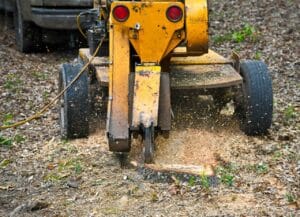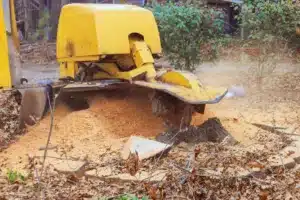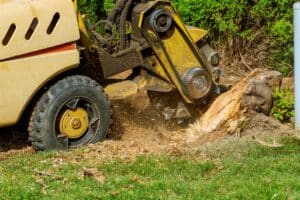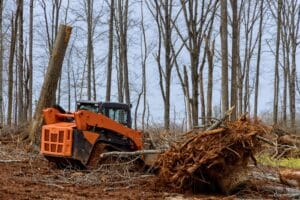
Yes, stump grinding is often worth it before winter. This is true when a stump blocks mowing or creates a trip point. It may also attract wood-feeding pests or sit in a planned work area. Fall work gives the ground time to settle before spring projects begin.
The right choice still depends on the stump’s location. It also depends on your plans for the space. A stump far from people, buildings, and work areas may be safe to leave. A stump beside a driveway, lawn, fence, or future project can cost more in lost use and extra work than it saves.
Why Fall Is a Smart Time to Deal With a Stump
You can prepare the area before spring work starts
Fall gives North Alabama owners a useful planning window. You may want grass, a garden bed, a wider drive, or a new fence in spring. Grinding the stump first clears a common obstacle.
The roots below a ground stump do not vanish at once. They decay over time. The soil may settle as that happens. Starting before winter gives you time to watch the area and add clean soil if needed. You can then make a better plan for spring.
Question: Is stump grinding worth it before winter? Answer: It usually is when the stump blocks a planned use or causes repeat upkeep problems. The value comes from making the land safer and easier to use. The season alone does not make the choice.
Cooler months can fit the rest of your land plan
Stump work is easier to plan when you know what comes next. A stump near a future driveway calls for a different depth and finish than one in a lawn. The same is true for fencing, planting, drainage, and utility work.
Meeks Land Management uses the next use of the space to guide the job. During the site review, the team looks at stump size and surface roots. The team also checks nearby features, utility concerns, and the owner’s plan for the chips. That field-first process sets the grind depth and cleanup plan before work starts.
Pro Tip: Mark the edge of your future project before the site visit. A few stakes or flags can show where the driveway, fence, bed, or lawn will go and help the crew plan around it.
When Stump Grinding Is Worth the Cost
The stump creates a safety or maintenance problem
A low stump can hide under leaves or winter grass. A mower may hit it. A person may catch a foot on it. Surface roots may also make rough spots around the stump.
Grinding removes the visible stump. It can also cut large surface roots in the work area. It does not pull out every deep root. Those deeper roots usually stay in the soil and break down with time.
The stump grinding service from Meeks Land Management helps owners reclaim a yard, work area, or access route without digging out the full root system.
Waiting would hold up another project
A stump may be cheap to ignore today. It can be costly to work around later. Crews cannot place a fence post or shape a smooth lawn through solid wood. The same problem can block a clean building area. Moving a planned feature around the stump can also waste usable space.
Iowa State University Extension reports that natural stump decay can take 10 years or more. Tree type, moisture, fungi, and other conditions affect that time. Grinding makes sense when your project cannot wait that long.
Did You Know: Grinding and full stump removal are different jobs. Grinding cuts the stump below the surface. Full removal pulls out the stump and more roots, which disturbs more soil.
The stump sits near your home or wood debris
Dead wood can support insects and rot. That does not mean every yard stump will cause a home pest problem. Location and moisture both matter. Wood contact and the state of nearby structures matter too.
The Alabama Cooperative Extension System advises owners to remove tree stumps and fallen logs. It also says to move wood debris away from the home to reduce conditions that favor termites. Grinding a stump near a house can be part of that cleanup.
When Leaving the Stump May Make Sense
It is in a low-use natural area
Not every stump needs work right away. A stable stump deep in the woods may not block people, mowing, access, or a planned project. Rotting wood can also give wildlife food and shelter. It must be well away from buildings and busy spaces.
Check it from time to time. Changes in stability, new sprouts, soft wood, or plans for that area may change the decision.
You have no near-term use for the space
If the stump does not affect safety or maintenance, waiting may fit your budget. This is most reasonable when the area will stay untouched for years.
Still, compare the cost of grinding with the cost of delay. The guide to stump grinding cost in Fort Payne shows how size, access, roots, and cleanup can affect a quote. A site quote gives you a sound number for that choice.
Pro Tip: Do not judge the job by trunk width alone. Flared roots, walls, slope, soft ground, gates, and machine access can change the plan.
What to Plan Before the Grinder Arrives
Decide what you want after the stump is gone
Tell the crew what you plan to do next. You may want to seed grass, add a bed, improve access, or build nearby. That answer affects depth, surface-root work, chip handling, and the final grade.
Wood chips mixed with soil can change how the spot holds water and plant food. If you want grass or new plants, ask how much material will remain. Also ask if the crew should add clean fill or topsoil after grinding.
Did You Know: The hole left by grinding is not always ready for a new tree. Old roots and loose soil can make that spot a poor fit. Choose the next use before cleanup ends.
Locate utilities and protect nearby features
Stump grinders work below the soil surface. Crews need to know about buried utilities and private lines. Tell them about irrigation, septic parts, and nearby hard surfaces before work begins.
Alabama 811 says owners should submit a free locate request before digging. It asks for two to ten full working days of notice. Public utility marks may not cover every private line on your land. Tell the contractor about anything you installed or know is present.
Ask what the quote includes
A clear quote should cover each stump, grind depth, surface roots, chip handling, hole filling, and site access. It should also state what is not included.
Read Meeks Land Management’s stump grinding guide before the site visit if you want a fuller picture of the process. Then walk the area with the crew and point out every stump you want reviewed.
Plan Your Stump Work Before Winter
Stump grinding is worth it when it solves a real problem: unsafe footing, hard mowing, blocked access, pest-friendly debris near the home, or a delayed spring project. The best result comes from matching the grind depth and cleanup to what you want to do next. A remote stump with no clear impact may be left and watched instead.
If a stump is holding up your yard or land plan in Fort Payne or the surrounding area, request a site-specific quote from Meeks Land Management. Share the stump location, access limits, nearby features, and your next use for the space so the team can recommend the right scope before winter.
Frequently Asked Questions
Is grinding tree stumps worth it?
Yes, stump grinding is worth it when a stump creates a trip risk, blocks mowing, wastes usable ground, or delays another project. It may be less urgent when the stump is stable, remote, and outside any planned work area.
Will a tree grow back after stump grinding?
Some tree species can send up new sprouts from living roots after the trunk is cut. Grinding removes the main stump below grade, but it does not remove every root, so the site should be watched for new growth.
How long does the ground settle after stump grinding?
Settlement time varies with grind depth, root size, soil, drainage, and the amount of wood mixed into the fill. Check the spot through winter and add clean soil before spring planting or final grading if the surface drops.
Can stump grinding damage underground utilities?
Grinding can reach below the soil, so buried lines must be identified before work starts. Request public utility markings through Alabama 811 and tell the contractor about private electric, irrigation, septic, or other lines that may not be marked.