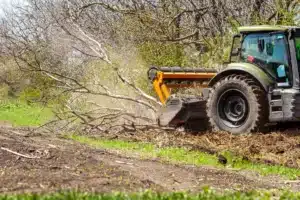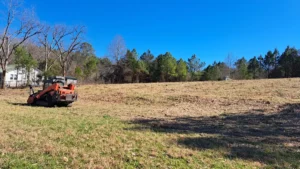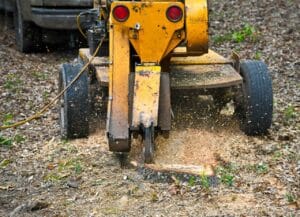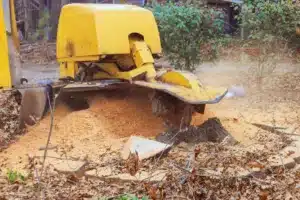
The cheapest clearing method depends on what the property must be ready for. Leaving usable mulch in place may cost less than cutting, hauling, and disposing of all material.
The short answer
The cheapest way to clear land is the method that meets the property’s next use with the least unnecessary hauling, rework, and follow-up. On some sites, forestry mulching is economical because material is processed in place. On others, cut-and-haul, stump removal, or grading is worth the added cost because the land must be ready for a home, driveway, pasture, septic system, or pad.
Start with the finished use
A low-cost clearing method can become expensive if it leaves the property unsuitable for the next step. A trail may only need a passable corridor. A pasture may need stumps addressed and the soil stabilized. A building site may need roots, debris, and uneven ground removed before grading. Define the finished condition before asking for the cheapest option.
Compare the full scope, not just the first pass
Ask whether each estimate includes mobilization, standing vegetation, stump work, debris processing, hauling, disposal, rough grading, and erosion control. Leaving mulch in place can reduce trucking, while hauling everything away may be necessary for construction. The right comparison is the total cost to reach the desired finish, not only the cost to make the trees disappear.
Where site conditions change the answer
Density, tree size, terrain, wet areas, access, fences, utilities, and distance to disposal all affect production. Large stumps and buried debris may require excavation. Steep or soft ground can limit equipment choices. A property that looks inexpensive from an aerial image may have access or drainage issues that are only visible on site.
How to request a practical estimate
Provide the address, acreage, photos, access points, areas to preserve, and the next planned use. Ask the contractor to explain why a method fits the property and what work remains afterward. Meeks Land Management can help compare a clearing approach with the finish you need. Visit the [land-clearing services page](https://meekslandmanagement.com/services/land-clearing-services/) to request a site-specific estimate.
What a site review can clarify
Online research is useful for understanding the question, but a property-specific decision depends on conditions that are not visible in a general guide. Access, slope, drainage, material, age, surrounding improvements, utilities, and the intended next use can change the recommendation. A site review gives the contractor a chance to identify constraints, protect areas that should remain undisturbed, and separate the main work from follow-up tasks that may otherwise be overlooked.
How to compare options responsibly
When you compare contractors or methods, compare the finished scope rather than a single headline number. Ask what is included, what is excluded, how changes are handled, how the work area will be protected, and what cleanup or follow-up remains. The cheapest first step is not always the lowest total cost if it creates rework, extra hauling, drainage problems, or a surface that is not ready for the next phase of the project.
What to include in a written scope
A useful written scope identifies the work area, materials or vegetation involved, equipment assumptions, access plan, disposal or on-site handling, safety requirements, restoration, and the expected finished condition. It should also identify items that depend on inspection, weather, permitting, or concealed conditions. Clear scope protects the property owner and the contractor because both sides can see what the estimate is intended to cover.
Questions to answer before work begins
Before scheduling, confirm the project boundary, the access route, the desired finish, the areas to protect, and the person who will approve field changes. Ask what happens if weather changes the schedule or if concealed conditions are discovered. If permits, utility locates, inspections, or engineering are part of the work, clarify who coordinates them and when the project can safely start.
What happens after the main work
The visible part of a project may be complete before the site is fully ready for its next use. Depending on the service, the next step may be cleanup, hauling, rough grading, topsoil, seeding, drainage work, a follow-up inspection, or maintenance. Discuss that sequence early. Planning the transition helps prevent a property owner from paying twice to correct a surface that was never intended to be final.
Use this guide as a starting point
The goal of this article is to explain the major decision points in plain language. It is not a substitute for a site inspection, a written estimate, engineering, or local approval where those are required. Conditions vary from property to property, so the most useful next step is a conversation with a contractor who can connect the service to the actual site and the result you want.
Frequently asked questions
Is forestry mulching always the least expensive option?
No. It can be economical on some sites, while construction-ready land may require stump removal, hauling, and grading.
How can I compare quotes?
Compare the complete scope and finished condition, not just the initial clearing pass.