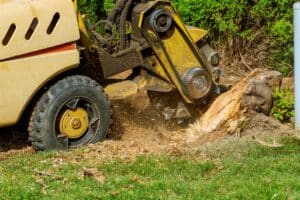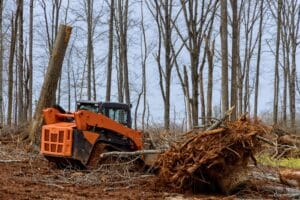
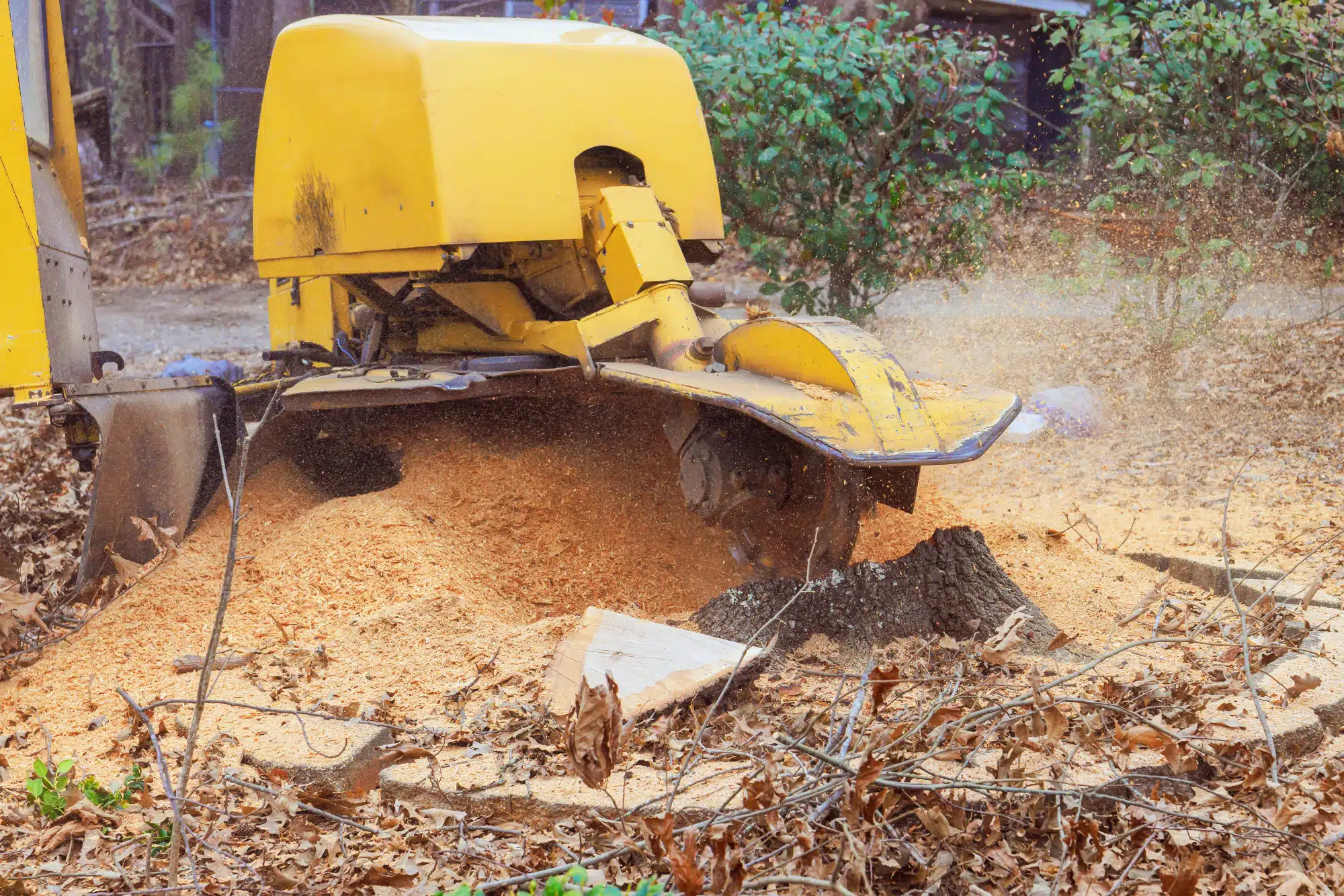
Stump grinding in northeast Alabama typically runs between $75 and $350 per stump for most residential jobs, depending on the stump’s diameter, the wood type, and how easy it is to reach. If you have multiple stumps, the cost per stump drops once the equipment is already on site.
That’s the short answer. The longer answer is that stump grinding cost varies more than most homeowners expect before they call for a quote — and knowing what drives the price helps you ask the right questions and avoid surprises on the final bill. Our complete guide to stump grinding walks through the full process if you want background before we get into dollars.
The Biggest Factor: Stump Diameter
Most stump grinding companies price jobs by the diameter of the stump, measured at its widest point at ground level. According to Angi, the national going rate is $2 to $5 per diameter inch — so a 12-inch stump might cost $24 to $60 just for the grind itself, while a 36-inch stump could run $72 to $180 before other factors are added in.
That per-inch rate doesn’t tell the whole story, though. Nearly every contractor also charges a minimum service fee — usually $100 to $150 — just to show up, set up equipment, and cover travel. That minimum applies even if the stump is small. It’s the reason a 6-inch stump and a 14-inch stump can end up costing the same amount.
Did You Know? Most contractors measure the stump at ground level, not at the base of the trunk. A tree that looks narrow at eye level can measure much wider once you get down to where the grinder has to work.
How Wood Type Changes Your Quote
Not all stumps grind the same. Softwood species like pine and cedar cut fast. Hardwoods — oak, hickory, sweetgum, and maple — have tightly packed growth rings that take considerably longer to work through and put more wear on the equipment.
We see a lot of white oak, tulip poplar, and sweetgum stumps across DeKalb County and Sand Mountain. Those species tend to push jobs toward the higher end of the range. An oak stump that’s 24 inches wide will take meaningfully longer to grind than a pine stump of the same size, and that extra time shows up in the quote.
Pro Tip: Before you call for a quote, measure your stump’s diameter at ground level and note the tree species if you know it. That information lets a contractor give you a far more accurate number over the phone than a rough guess based on size alone.
What Else Affects the Price
Diameter and wood type are the two biggest drivers, but several other factors can move the final number up or down.
Access and site conditions matter more than most homeowners realize. A stump in an open front yard is easy — equipment rolls right up and the job moves fast. A stump behind a fence, on a steep hillside, or wedged against a retaining wall takes longer and may require a smaller machine to fit in tight spaces. Difficult access can add $50 to $100 or more to a job.
Root spread is another variable. Most grinding jobs include surface root work within a reasonable radius of the stump, but large old trees — the kind with roots that have buckled a sidewalk or cracked a driveway — can require extended root grinding that goes beyond a standard quote.
Debris removal and hole fill are often priced separately. The grinding process leaves behind a pile of wood chips. Some contractors include chip spreading or hauling in the base price; others charge by the inch or by the load. Ask about this before the job starts, not after.
Did You Know? Old, rotted stumps are often cheaper to grind than fresh ones — the wood breaks down faster and the machine moves through it quicker. A stump that’s been sitting in your yard for five years may actually cost less to remove than one from a tree that came down last month.
What Multiple Stumps Cost
If you have more than one stump, bundling them into a single visit almost always saves money. The first stump carries the full cost of mobilization, setup, and travel. Additional stumps beyond the first are typically discounted to $40–$75 each, because the crew and equipment are already on site.
Here’s how that plays out in practice:
| Stumps | Typical Range |
| 1 stump (12–18″ diameter) | $150–$250 |
| 2 stumps | $200–$350 |
| 3–5 stumps | $275–$550 |
| 6+ stumps | Best quoted as a project |
These are general estimates for our area. Every property is different, which is why we always assess in person before giving a final number. If you’re also looking at broader land work after the stumps are cleared, our land clearing services can often be bundled to reduce overall project cost.
DIY vs. Hiring a Pro: The Real Cost Comparison
Renting a stump grinder is an option, but it’s worth understanding what you’re actually paying for. According to LawnStarter’s pricing data, grinder rentals typically run $178 to $364 per day — and that’s before you account for hauling the machine, fuel, and the time it takes to operate equipment you’ve never used before.
Rental machines are also smaller and less powerful than commercial equipment. A job that takes a pro 30 minutes with a commercial grinder can take an inexperienced operator two or three hours on a rental unit — especially with hardwood stumps or any root spread. For stumps over 12 inches, near a fence, or close to utility lines, hiring a licensed pro is the safer and often cheaper choice once you factor in time and the risk of damage.
Pro Tip: Before any grinding work begins near a utility line or structure, call 811 — the national Dig Safe line. It’s free, required by law in Alabama, and prevents costly underground damage. A professional contractor handles this as a standard part of the job.
Our stump grinding service page covers the full scope of what we offer — from single residential stumps to multi-stump farm and land clearing jobs across DeKalb County. If you’re trying to figure out whether your job is straightforward or more complex before calling, that’s a good place to start.
What You Get With a Free On-Site Quote
Phone estimates for stump grinding are rough approximations. The real number comes from walking the property, measuring the stumps at ground level, checking root spread, and looking at access points. That’s why we don’t quote final prices over the phone — we’d rather give you a number we can stand behind than one that changes when we show up.
Our free on-site quotes cover the full scope: grinding depth, root work included, chip handling, and whether hole fill is needed. There are no line items you’ll see for the first time on the invoice.
Ready to get an accurate number for your property? Contact Meeks Land Management for a free on-site quote — and ask about this month’s $500 off promotion while it’s still available. Call us at (256) 979-9520 or submit the quote form online.
Frequently Asked Questions
How much does stump grinding cost per inch in Alabama?
Most contractors charge $2 to $5 per diameter inch as a baseline, with a minimum service fee of $100 to $150 per visit. Hardwood species like oak and hickory sit toward the high end of that range. An on-site quote is the only way to get an accurate number for your specific stumps.
Does the price include removing the wood chips?
Not always — debris handling is one of the most common add-on charges in stump grinding. Some contractors include chip spreading in the base price while others charge separately, either by diameter inch or a flat fee. Always confirm what’s included before work begins.
How much cheaper is it to grind multiple stumps at once?
The first stump carries the full mobilization and setup cost. Additional stumps on the same visit typically cost $40 to $75 each, making it noticeably cheaper per stump to bundle jobs. If you have stumps spread across your property, calling for a single visit is the most cost-effective approach.
Is stump grinding cheaper in winter?
In general, yes. Demand for tree and stump services drops in winter months across Alabama, and some contractors offer seasonal pricing. If the job isn’t urgent, scheduling during November through February can sometimes save 10 to 20 percent off peak-season rates.
Do I need a permit for stump grinding in Fort Payne?
Most residential stump grinding jobs in Fort Payne don’t require a permit, but jobs near utility lines may require a 811 call before work begins. A licensed contractor will handle this as part of standard job prep — it’s one of the reasons hiring a pro beats DIY for anything near structures or lines.